Frying is an ancient art that has brought unmissable delights to the present day. In Venice, the undisputed protagonist of Carnival, the fritola (fritter) must be ” artfully made.”
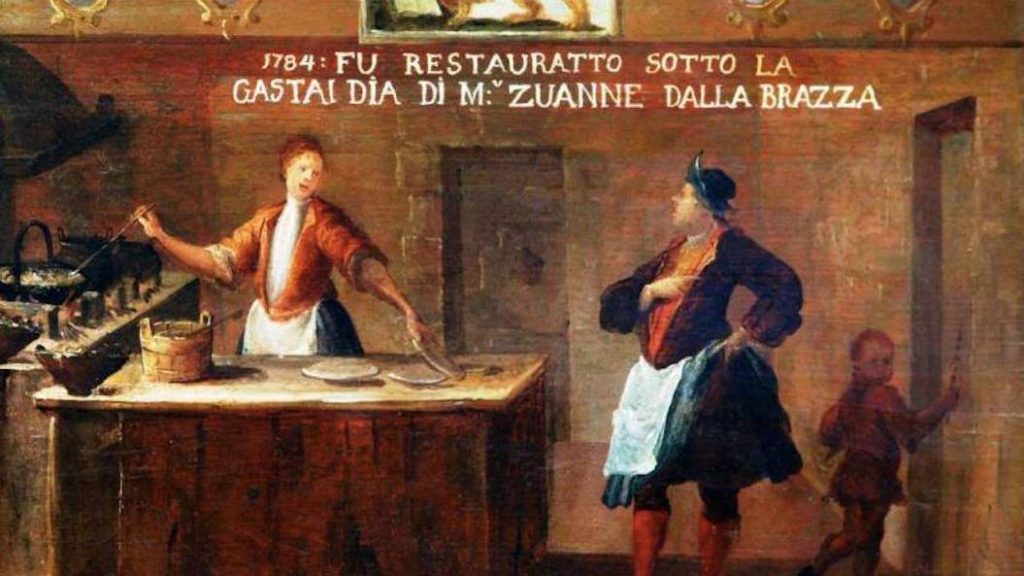
Carnival sweets falls right between the excesses of Christmas and the delicacies of Easter. You know what’s funny, in this time of minutely regulated diets, intolerances, and health obsession of every kind, the traditional Venetian fried sweets never ceded an inch. The early modern era Guild of Deep Friers – because of course there was one – defined the fritola, the Venetian fritter or beignet, as a treat for rich and commoner alike. These cooks taught the art and left the business to their children (the guild would nominate a successor if there was no heir apparent) and each was assigned a precinct in town. They were forbidden to raise their voice in peddling their food, so much we know from history.
There’s more: the first mention of fried food dates back to even earlier, back to the late Middle Ages, around the year 1300. Marco Polo was alive at that time. The dough used to be worked by hand on a flat surface, and it seems that Venice was the first European city to use sugar. Until that time, honey was the sweetener of choice. Sugar cane was, in fact, grown in Cyprus, where Venice had colonies.
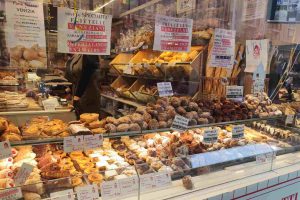
Here are some suggestions where you can enjoy some Carnival sweets worthy of note, at least in our opinion.
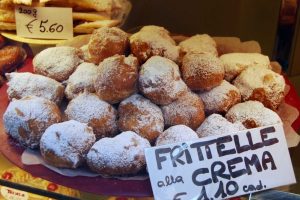
An institution. There’s barely any need to list them, but by all means, check their shop out and never mind the queue. You ca...
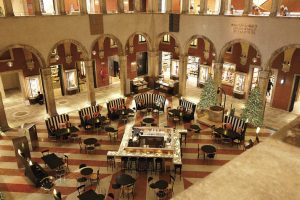
Angel wings straight out of momma Alajmo are the best thing money can buy. Also noteworthy are their small fritters filled with...
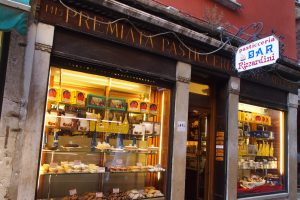
They have been in business since 1742 – there has to be a good reason! Everyone in town know Rizzardini’s art nouveau shop,...
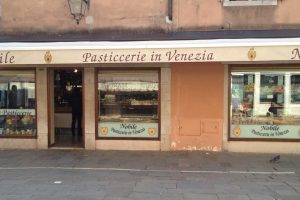
Nearby Teatro Italia on Strada Nova, one of the most frequented spots by locals and the numerous passing tourists. Their fritte...
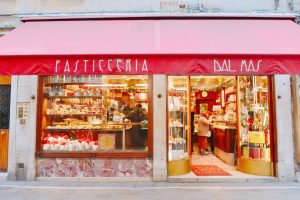
The place to be in regards to little sweet and savoury preparations, you’ll find the shop a few steps away from the train sta...
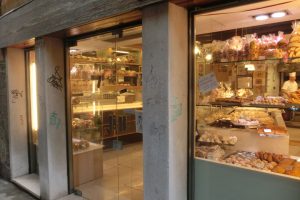
Paw-paw Colussi, literally. Venice’s most famous grandfather has been making the softest sweet focaccias since 1956. His secr...
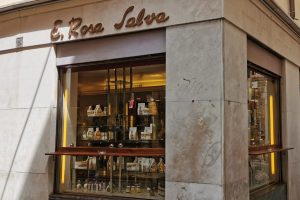
This bakery is synonymous with quality. It has multiple outlets around town, and their new one in San Salvador is ready to cate...
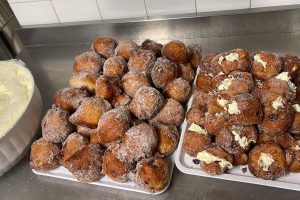
Historic Venetian pastry shop, with all Carnival sweets prepared in full respect of tradition. Soft Venetian fritters with rais...
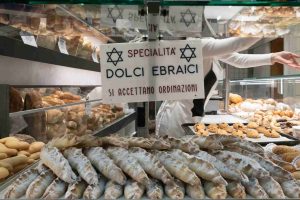
The Jewish neighbourhood is where you can find kosher fritters – no milk or eggs, which makes them perfect not only for the k...
Literally flavour of the Levant, this fritter is dedicated to Marco Polo. Paying respect to tradition, the choice of ingredient...